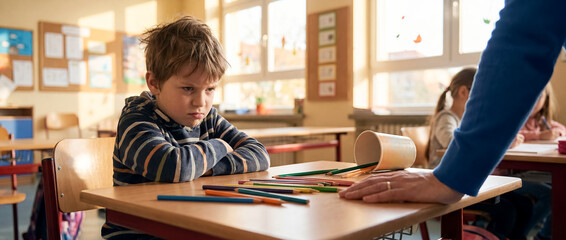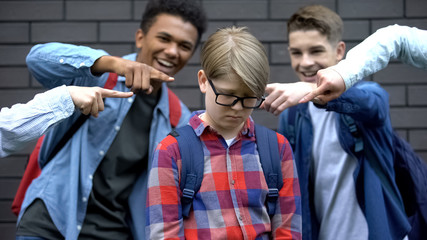
Some children openly talk about being bullied, while others keep their experiences to themselves because they feel embarrassed, frightened, or worried that speaking up will make the situation worse. Parents may notice changes in their child’s mood, sleep, behaviour, or willingness to attend school without immediately understanding the reason.
Understanding how bullying affects children’s mental health can help parents and caregivers recognise early warning signs and respond with appropriate support.
In this guide, we explain the emotional and psychological effects of bullying, how to recognise when a child may be struggling, and practical ways parents can help children feel safe, rebuild their confidence, and develop healthy relationships.
What Is Childhood Bullying and Why Is It Harmful?
Bullying is unwanted aggressive behaviour that involves a real or perceived power imbalance and is repeated, or has the potential to be repeated, over time. It can occur at school, in social groups, during extracurricular activities, and online.
Bullying may involve physical actions, hurtful words, social exclusion, or the misuse of digital platforms to embarrass or intimidate someone.
Common Types of Bullying
- Physical bullying: Hitting, kicking, pushing, tripping, or deliberately damaging a child’s belongings.
- Verbal bullying: Repeated name-calling, insults, threats, or comments intended to humiliate a child.
- Social bullying: Deliberately excluding a child, spreading hurtful rumours, or encouraging others to reject them.
- Cyberbully: Using messages, social media, online games, or group chats to threaten, embarrass, or repeatedly target a child.
- Identity-based bullying: Targeting a child because of their appearance, disability, background, language, or another personal characteristic.
A child may experience more than one form of bullying at the same time. For example, a student might be mocked in the classroom, excluded from group activities, and targeted through a class messaging group.
Regardless of the form it takes, bullying should be addressed rather than dismissed as ordinary childhood conflict.
How Childhood Bullying Affects Children’s Mental Health
Bullying can affect children’s emotional well-being in several ways. The impact depends on factors such as the child’s age, the severity and duration of the bullying, the support available to them, and their individual circumstances.
Not every child develops a mental health condition after being bullied. However, repeated bullying can increase emotional distress and may contribute to difficulties that require additional support.
1. Increased Anxiety and Fear
Children who experience bullying may become worried about when or where the next incident will happen. They might feel anxious before school, during breaks, on the school bus, or when checking their phones.
Over time, this fear can extend beyond the bullying situation itself. A child may begin to worry about meeting new people, answering questions in class, joining group activities, or being judged by others.
Parents may notice that their child:
- Becomes unusually nervous before school.
- Repeatedly asks whether a parent can stay nearby.
- Avoids particular classmates or school locations.
- Worries excessively about making mistakes.
- Becomes distressed when receiving messages or notifications.
These signs do not automatically mean a child is experiencing an anxiety disorder. However, when fear begins to interfere with everyday activities, it deserves attention.
Parents can learn more about recognising emotional distress in children through our guide to child behaviour problems and solutions for everyday parenting.
2. Low Self-Esteem and Loss of Confidence
One of the most damaging effects of childhood bullying can be the way it changes how children see themselves.
Repeated criticism, humiliation, and rejection can make children question their appearance, intelligence, abilities, or value as a friend.
For example, a child who is frequently called names may begin to believe that something is wrong with them. Another child may stop participating in classroom discussions because they are afraid of being laughed at.
Parents may hear statements such as:
- “Nobody likes me.”
- “I’m not good at anything.”
- “Everyone thinks I’m weird.”
- “I don’t want anyone to see me.”
- “There’s no point in trying.”
Such comments should not automatically be dismissed as temporary insecurity, especially when they appear alongside other changes in behaviour.
Children need reassurance that another person’s cruel behaviour does not determine their worth. Helping them identify their strengths, recognise supportive relationships, and understand that bullying is not their fault can support the gradual rebuilding of confidence.
3. Sadness, Loneliness, and Social Withdrawal
Bullying can leave children feeling isolated, particularly when it involves social exclusion or the loss of friendships.
A child may feel lonely even when surrounded by classmates because they do not feel accepted or safe around them. They may also worry that telling someone about the bullying will lead to further embarrassment or rejection.
Some children respond by spending more time alone, avoiding social gatherings, or losing interest in activities they previously enjoyed.
Parents might notice that their child:
- Stops talking about friends.
- Avoids invitations or group activities.
- Spends more time alone than usual.
- Seems persistently sad or irritable.
- Loses interest in hobbies or familiar routines.
Social withdrawal does not always indicate bullying, but a sudden or lasting change can be an important reason to check in.
Rather than pressuring the child to socialise, parents can offer opportunities to spend time with trusted friends, supportive relatives, or adults who help them feel accepted.
If sadness, isolation, or loss of interest persists or affects daily functioning, a qualified mental health professional can help assess what the child is experiencing.
4. Difficulty Concentrating and Problems at School
Emotional distress can make learning more difficult.
When children are worried about bullying, a significant amount of their attention may be focused on anticipating the next incident or trying to avoid classmates. This can make it harder to listen to teachers, remember instructions, complete assignments, or participate in lessons.
Some children may also avoid school activities because they fear encountering the person who is bullying them.
Possible changes include:
- A sudden decline in academic performance.
- Difficulty concentrating on homework.
- Frequent complaints about school.
- Reluctance to attend particular classes.
- Increased requests to stay home.
- Avoidance of school trips, sports, or group projects.
These difficulties should not automatically be interpreted as laziness or a lack of motivation. A child who is struggling emotionally may need support rather than additional pressure.
Parents should communicate with teachers to understand what is happening at school and determine whether the child feels safe in different settings.
5. Sleep Problems and Physical Complaints
Emotional stress can affect a child’s sleep and physical comfort.
Children who feel worried or unsafe may struggle to fall asleep, wake frequently during the night, experience nightmares, or ask repeatedly for reassurance at bedtime.
Some children also report headaches, stomachaches, nausea, or other physical complaints, particularly before school or situations they find stressful.
These symptoms are real, even when medical examinations do not identify an obvious physical cause. Stress can contribute to physical discomfort, but it should not be assumed to be the explanation without considering other possibilities.
Parents should seek medical advice when symptoms are persistent, severe, or affecting the child’s daily life.
6. Anger, Irritability, and Changes in Behaviour
Not every child responds to bullying with sadness or fear. Some become angry, argumentative, or unusually irritable.
A child may feel frustrated because they cannot stop the bullying, embarrassed because they feel unable to defend themselves, or worried that adults will not take their concerns seriously.
These feelings may appear at home, where the child feels more comfortable expressing distress.
For example, a previously cooperative child may begin arguing with siblings, reacting strongly to small problems, or refusing to discuss school.
Parents should consider what may be happening beneath the behaviour instead of assuming that every change reflects deliberate misbehaviour.
Our guide to positive ways to guide children’s behaviour offers further guidance on responding to children’s emotional and behavioural needs with patience and clear boundaries.
How Childhood Bullying Affects Friendships and Social Development
Friendships play an important role in childhood. They provide opportunities to develop communication skills, practise cooperation, build trust, and learn how to resolve disagreements.
Bullying can interfere with these experiences by making children feel that social situations are unpredictable or unsafe.
Difficulty Trusting Other Children
A child who has been repeatedly hurt or humiliated by peers may become cautious about making new friends.
They may wonder whether someone who appears friendly will eventually reject them or share private information about them.
This does not mean the child will always struggle with relationships. However, they may need time and supportive experiences to rebuild trust.
Fear of Speaking Up
Children who have experienced bullying may worry that expressing their opinions will lead to further ridicule.
They might avoid asking questions, sharing ideas, or setting boundaries with other children.
Parents can practise simple responses with their child, such as saying “Please stop,” walking away from an unsafe situation, or asking a trusted adult for help.
The goal is not to make children responsible for stopping the bullying themselves. Adults and schools must address the behaviour and protect the child.
Feeling That They Do Not Belong
Repeated exclusion can affect a child’s sense of belonging.
A child may begin to believe they are unwanted in social groups or that they must change their personality to gain acceptance.
Parents can counter these beliefs by helping children recognise their individual strengths, interests, and positive relationships.
Clubs, hobbies, sports, and other supervised activities can provide opportunities to connect with supportive peers when the child feels ready.
Warning Signs of Childhood Bullying: What Parents Should Look For
Children do not always tell their parents when bullying occurs. They may fear retaliation, feel ashamed, or worry that adults will make the situation worse.
For this reason, noticing changes in behaviour can be important.
Emotional Warning Signs
Look for changes such as:
- Increased worry or nervousness.
- Persistent sadness or irritability.
- Negative comments about themselves.
- Fear of social situations.
- Unusual embarrassment when discussing school.
- A noticeable loss of confidence.
Behavioural Warning Signs
Some children may begin to:
- Avoid school or ask to stay home.
- Withdraw from friends.
- Stop participating in favourite activities.
- Spend more time alone.
- Become reluctant to use their phone or discuss online interactions.
- React strongly when school or particular classmates are mentioned.
Physical and School-Related Warning Signs
Other possible signs include:
- Repeated headaches or stomachaches.
- Changes in sleeping or eating patterns.
- Unexplained damaged belongings.
- Missing personal items.
- A decline in school performance.
- Injuries that the child struggles to explain.
No single sign proves that bullying is occurring. These changes can have several causes, and some children may show very few outward signs.
If you notice a pattern, choose a calm moment to speak with your child privately. Focus on understanding their experience rather than trying to establish all the facts immediately.
How Parents Can Help a Child Experiencing Bullying
Parents cannot control every interaction their child experiences, but they can provide protection, reassurance, and practical support.
The way adults respond can influence whether children feel comfortable sharing what happened and asking for help in the future.
1. Listen Without Blaming the Child
Begin by giving your child space to explain what has happened.
Try questions such as:
- “I’ve noticed you’ve seemed upset about school. Would you like to talk about it?”
- “Has anyone been making you feel uncomfortable or unsafe?”
- “What usually happens when you’re around those children?”
- “Is there an adult at school you feel comfortable talking to?”
Allow your child to speak at their own pace. They may not remember every detail or feel ready to explain everything in one conversation.
Avoid questions that suggest they caused the bullying, such as asking why they did not simply stand up for themselves.
Instead, acknowledge their feelings and explain that they deserve to feel safe.
2. Reassure Your Child That Bullying Is Not Their Fault
Children sometimes blame themselves for being targeted.
They may believe that changing their appearance, becoming quieter, or trying harder to please others will prevent the bullying.
Parents should explain that no child deserves to be threatened, humiliated, or repeatedly excluded.
You might say:
“I am glad you told me. You do not deserve to be treated this way, and we will work together to help you feel safe.”
This type of reassurance helps children understand that they are not responsible for another person’s harmful behaviour.
3. Work With the School to Address the Bullying
If bullying occurs at school, contact the appropriate teacher, school counsellor, safeguarding lead, or administrator.
Share specific information about what your child has reported, including when incidents occurred, where they happened, and whether there were witnesses or digital messages.
Ask the school what steps it will take to investigate the situation, prevent further incidents, and monitor your child’s safety.
Depending on the circumstances, useful measures may include increased supervision, a designated trusted adult, changes to unsafe arrangements, or regular follow-up conversations.
Keep records of significant incidents and communications with the school.
If the first response does not resolve the problem, follow the school’s formal safeguarding or anti-bullying procedures and escalate your concerns when necessary.
4. Help Your Child Rebuild Confidence
Bullying can affect the way children evaluate themselves.
Parents can help by recognising their child’s efforts, encouraging activities they enjoy, and providing opportunities to experience success outside the bullying situation.
For example, a child who enjoys drawing might benefit from an art activity, while another child may feel more comfortable building friendships through a supervised sports or hobby group.
Praise specific qualities and actions, such as persistence, kindness, creativity, or asking for help.
Avoid pressuring children to become more outgoing or immediately return to every activity they previously enjoyed. Confidence often develops gradually when children feel safe and supported.
5. Teach Healthy Boundaries Without Making the Child Responsible
Children can benefit from learning how to recognise disrespectful behaviour and seek help when they feel unsafe.
Depending on their age and circumstances, parents can practise simple responses, such as:
- “I don’t like that. Stop.”
- “That isn’t okay.”
- “I’m going to speak to a teacher.”
- Walking away from an unsafe interaction.
- Blocking and reporting abusive online accounts.
However, children should never be expected to manage serious bullying alone.
If responding directly could increase the risk of harm, prioritise getting help from a trusted adult.
Avoid encouraging retaliation, physical fighting, or humiliating the other child in return. These responses may escalate the situation and make it harder to protect everyone involved.
6. Support Safe and Positive Friendships
Healthy friendships can help children feel connected and valued.
Encourage your child to spend time with peers who treat them respectfully and share their interests.
This might involve arranging a small playmate, attending a structured group activity, or reconnecting with a trusted friend.
Let your child have a say in which activities feel comfortable. Forcing them into social situations before they feel ready may increase their distress.
7. Monitor Online Bullying and Digital Safety
Cyberbully can continue outside school hours, making it difficult for children to escape the situation.
Parents should talk openly with children about online behaviour, privacy, and what to do when someone sends threatening or humiliating messages.
If cyberbully occurs:
- Save relevant messages, screenshots, and other evidence.
- Block or report the offending account when appropriate.
- Review privacy settings together.
- Contact the school if the behaviour involves classmates or affects school safety.
- Report threats or serious harassment to the appropriate authorities when necessary.
Avoid immediately removing every digital privilege as a response to the child’s disclosure. Children may interpret this as punishment for telling the truth and become less willing to ask for help.
When Should Parents Seek Professional Mental Health Support?
Some children recover with reassurance, protection, and support from family and school. Others continue to experience significant distress even after the bullying has stopped.
Professional support may be appropriate when a child experiences persistent anxiety, ongoing sadness, social withdrawal, sleep difficulties, or problems with school attendance and everyday activities.
Signs That Professional Support May Help
Consider arranging an assessment if your child:
- Remains distressed despite efforts to address the bullying.
- Frequently expresses feelings of worthlessness.
- Avoids school or social activities for an extended period.
- Experiences persistent anxiety or low mood.
- Has difficulty sleeping or concentrating.
- Shows major changes in behaviour.
- Struggles to maintain relationships or participate in daily life.
Professional support does not mean that a child is weak or that parents have failed. It can provide a safe setting where the child can talk about difficult experiences and develop healthier ways to cope.
Depending on the child’s needs, support may involve individual therapy, child-focused psychological interventions, parent guidance, or collaboration with the school.
Snö Wellness provides psychological assessments for children and adolescents to help qualified professionals better understand behavioural, emotional, and developmental concerns. An assessment can help clarify the child’s needs and guide decisions about appropriate support.
How to Prevent the Long-Term Effects of Childhood Bullying
Although every child’s experience is different, consistent support can help reduce the impact of bullying and promote emotional recovery.
Create an Environment Where Your Child Feels Safe Talking
Make regular opportunities for conversation part of everyday life.
Talking during a walk, while preparing a meal, or before bedtime may feel more comfortable than arranging a formal discussion.
Listen without immediately criticising, dismissing, or trying to solve every problem. Children are more likely to share difficult experiences when they trust that adults will take them seriously.
Encourage Healthy Emotional Expression
Help your child identify feelings such as sadness, anger, embarrassment, and fear.
You can discuss emotions through conversation, drawing, writing, or age-appropriate activities.
Explain that feelings are understandable responses to difficult experiences, and that children can express them without hurting themselves or others.
Maintain Predictable Routines
Regular sleep, meals, family activities, and opportunities for relaxation can provide a sense of stability during stressful periods.
Do not expect routines alone to resolve bullying-related distress. They are most helpful when combined with practical steps to address the situation and support the child.
Build a Support Network
Depending on the child’s circumstances, their support network may include parents, relatives, teachers, school counsellors, coaches, and qualified healthcare professionals.
Make sure the child knows which adults they can approach if the bullying happens again.
Respond Quickly to Serious Concerns
Take reports of threats, physical violence, sexual harassment, or serious online abuse seriously.
If your child faces immediate danger, contact emergency services or the appropriate safeguarding authorities.
If your child talks about suicide, self-harm, or not wanting to live, seek urgent professional help. If there is immediate danger, do not leave the child alone; contact local emergency services and follow their instructions.
Frequently Asked Questions
1. How Does Childhood Bullying Affect a Child’s Self-Esteem?
Bullying can make children question their abilities, appearance, and social value. Repeated humiliation or rejection may lead them to believe that they are unlikable or do not belong.
Supportive relationships, reassurance, and opportunities to develop confidence can help children challenge these negative beliefs.
2. Can Bullying Cause Anxiety or Depression in Children?
Bullying is associated with an increased risk of anxiety, depressive symptoms, and other emotional difficulties. However, not every child who experiences bullying develops a mental health condition.
The impact depends on several factors, including the child’s circumstances, the severity of the bullying, and the support available. Persistent emotional distress should be assessed by a qualified professional.
3. What Are the First Signs of Childhood Bullying?
Early signs may include reluctance to attend school, sudden changes in mood, withdrawal from friends, unexplained physical complaints, damaged belongings, or a decline in academic performance.
These signs can have other causes, so parents should speak with their child calmly and investigate concerns rather than assuming bullying is definitely occurring.
4. Should Parents Contact the School if Their Child Is Being Bullied?
Yes. When bullying occurs at school, parents should contact the appropriate school staff and explain what their child has reported.
Ask about the school’s investigation, safety measures, and follow-up plan. Keep records of important incidents and escalate concerns if the response does not adequately protect the child.
5. How Can I Help My Child Regain Confidence After Bullying?
Listen to your child, reassure them that the bullying was not their fault, and encourage activities in which they feel comfortable and capable.
Help them build positive relationships without forcing social interactions. If their confidence remains low or they continue to experience emotional distress, professional support may help.
6. When Should a Bullied Child See a Psychologist?
Consider professional support when bullying-related distress persists, interferes with school or relationships, or leads to significant changes in mood, sleep, or behaviour.
Seek urgent help if the child expresses suicidal thoughts, engages in self-harm, or faces immediate danger.
7. Can a Child Recover Emotionally After Bullying Stops?
Yes. Many children improve when the bullying ends and they receive appropriate support. Recovery can take time, especially if the experience has affected their confidence, relationships, or sense of safety.
Parents, schools, and healthcare professionals can work together to help the child feel secure and rebuild confidence.
Conclusion
Childhood bullying can affect children’s mental health, self-esteem, friendships, and school experiences. Its effects may appear as anxiety, sadness, social withdrawal, irritability, sleep difficulties, or declining academic performance.
Parents can make an important difference by listening without judgmentally, taking concerns seriously, working with the school, and helping children reconnect with safe and supportive relationships.
It is equally important to recognise when a child needs additional help. Persistent emotional distress should not be dismissed as something they will automatically grow out of.
With appropriate protection, understanding, and support, children can rebuild confidence and develop healthier ways to manage difficult experiences.
Support Your Child’s Emotional Well-Being With Snö Wellness
If your child is struggling with the emotional effects of bullying, you do not have to navigate the situation alone. Snö Wellness offers child and adolescent mental health services designed to support children’s emotional and psychological well-being.
Our team can help families explore appropriate support based on each child’s needs and circumstances.
Explore Child and Adolescent Therapy at Snö Wellness to learn more about available services and take the next step toward supporting your child’s well-being.
Medical disclaimer: This article is for educational purposes only and does not replace professional medical or psychological advice. If a child is in immediate danger or at risk of self-harm, seek urgent professional assistance.