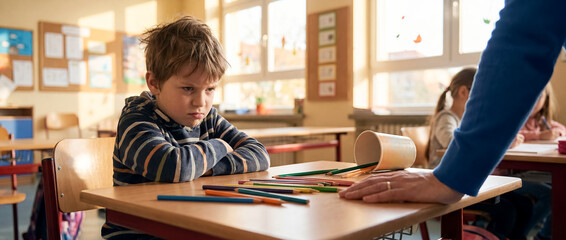
Separation anxiety is a common part of childhood development. However, when the fear becomes intense, continues over time, or interferes with everyday activities, children may need additional support.
Understanding how separation anxiety affects your child can help you respond with patience, build their confidence, and make daily separations easier. With consistent routines, reassurance, and the right support, children can gradually learn that being apart from their parents does not mean they are unsafe or abandoned.
In this guide, we explain how to help a child with separation anxiety, recognise the warning signs, manage difficult school drop-offs, and understand when professional help may be beneficial.
What Is Separation Anxiety in Children?
Separation anxiety is the fear or distress a child experiences when they are away from a parent, caregiver, or another person they feel closely attached to.
Young children depend on familiar adults for comfort, safety, and emotional support. As they begin exploring the world, they gradually learn that their caregivers can leave and return. This understanding develops over time, so temporary distress during separation is often a normal part of growing up.
Separation anxiety commonly appears between 6 months and 3 years of age. It may become noticeable when a child starts nursery, spends time with a babysitter, or experiences changes in their daily routine.
For many children, these feelings gradually become easier to manage as they develop confidence and independence.
However, separation anxiety can sometimes become more persistent or intense than expected for a child’s age. A child may worry excessively about a parent getting hurt, refuse to attend school, experience repeated physical symptoms before separation, or struggle to sleep without a caregiver nearby.
When these difficulties significantly affect a child’s daily life, they may indicate separation anxiety disorder, a condition that requires professional assessment.
The key difference is the intensity, duration, and impact of the anxiety. A child who cries briefly at nursery drop-off may be experiencing a normal developmental response. A child who remains extremely distressed, repeatedly misses school, or cannot manage age-appropriate separations may need additional help.
What Are the Signs of Separation Anxiety in Children?
Children do not always have the words to explain their fears. Instead, they may express anxiety through their behaviour, emotions, sleep patterns, or physical complaints.
Recognizing these signs can help parents understand what their child is experiencing.
1. Excessive Clinginess
A child experiencing separation anxiety may follow a parent from room to room, insist on being held, or become upset whenever the parent moves out of sight.
They may refuse to stay with relatives, babysitters, or other trusted adults, even when they previously felt comfortable with them.
This behaviour can become particularly noticeable when a child starts a new childcare arrangement or experiences a significant change in routine.
2. Crying or Tantrums During Separation
Some children cry intensely when a parent leaves home, drops them off at school, or prepares to go to work.
Others may scream, become angry, hold onto the parent’s clothing, or repeatedly ask the parent not to leave.
These reactions are not necessarily signs of misbehaviour. They may reflect genuine fear and difficulty managing overwhelming emotions.
Parents who want to understand these reactions can also read our guide to child behaviour problems and solutions for additional guidance on responding to challenging behaviour.
3. Fear That Something Bad Will Happen to a Parent
A child may worry that their mother, father, or caregiver will have an accident, become ill, or fail to return.
They may repeatedly ask questions such as:
- “When will you come back?”
- “What if something happens to you?”
- “Are you sure you’ll pick me up?”
- “Can I call you if I miss you?”
Occasional questions are normal. However, persistent fears that interfere with everyday activities may indicate a more significant anxiety problem.
4. Physical Symptoms Before Separation
Separation anxiety can also appear through physical complaints.
A child may experience:
- Stomachaches or nausea before school.
- Headaches when a parent prepares to leave.
- Reduced appetite during periods of separation.
- Difficulty falling asleep or frequent nighttime waking.
- Shaking, sweating, or a racing heartbeat during intense anxiety.
These symptoms should not automatically be attributed to anxiety. If they are recurring, severe, or unexplained, consult a healthcare professional to rule out other causes.
5. Refusing to Attend School or Sleep Alone
Some children become so worried about separation that they refuse to attend school, participate in activities, visit friends, or sleep in their own beds.
They may insist that a parent stay nearby until they fall asleep or repeatedly enter the parent’s room during the night.
If these difficulties persist or prevent your child from participating in everyday activities, consider seeking professional guidance.
Is Separation Anxiety Normal at Different Ages?
Separation anxiety can look different depending on a child’s age, developmental stage, and experiences. Understanding what is typical at each stage can help parents decide how to respond.
Babies: Around 6 to 12 Months
During this stage, babies become increasingly aware of familiar people and may become distressed when a parent leaves their sight.
They might cry when someone unfamiliar approaches, reach for their caregiver, or become upset when left with another person.
How parents can help:
- Play simple games such as peekaboo to help your baby learn that people can disappear and return.
- Introduce new caregivers gradually.
- Keep departures calm and predictable.
- Return when promised, helping your baby become familiar with the pattern of separation and reunion.
At this age, separation anxiety is generally a normal developmental response rather than a sign of an anxiety disorder.
Toddlers: Around 1 to 3 Years
Toddlers often want their parents close by, particularly in unfamiliar places or during changes to their routines.
They may cry at nursery drop-off, resist being left with relatives, or become upset when a parent leaves the room.
Because toddlers have limited language skills, they may struggle to explain why they feel frightened.
How parents can help:
- Use simple, reassuring language to explain where you are going.
- Create a predictable goodbye routine.
- Practise short separations with familiar caregivers.
- Offer a favourite toy or another safe comfort item when appropriate.
Patience and consistency can help toddlers develop confidence in their ability to manage short periods apart.
Preschool Children: Around 3 to 5 Years
Preschool children may understand that their parents will return but still struggle to manage the feelings that arise when separation happens.
Starting nursery, attending a new preschool, or spending time with unfamiliar adults may trigger distress.
Some children also develop fears about what might happen while their parents are away.
How parents can help:
- Explain what will happen during the day using simple, age-appropriate language.
- Read children’s books about starting school or spending time away from parents.
- Practise short visits or activities without a parent nearby.
- Praise your child for small steps toward independence.
Avoid dismissing your child’s fears. Instead, acknowledge the feelings while encouraging them to try manageable separations.
School-Age Children: Around 6 to 12 Years
Separation anxiety may become more noticeable when children start a new school, return after a long holiday, move to a different area, or experience difficulties with classmates.
A child may repeatedly visit the school nurse, complain of stomachaches before school, or ask a parent to remain nearby.
Some children worry about their own safety, while others fear that something bad will happen to their parents.
How parents can help:
- Ask what specifically worries your child about being away from home.
- Speak with their teacher to identify possible school-related concerns.
- Establish a predictable morning routine.
- Help your child practise coping strategies, such as slow breathing.
- Encourage regular school attendance while working with the school to address the underlying fear.
If anxiety persists or repeatedly prevents school attendance, seek professional advice rather than assuming your child will simply grow out of it.
Teenagers: Around 13 to 18 Years
Although separation anxiety is more commonly associated with younger children, older children and teenagers can experience it too.
A teenager may worry excessively about a parent’s safety, avoid school trips, struggle with overnight stays, or repeatedly contact family members when away from home.
Major life changes, family difficulties, previous stressful experiences, or other anxiety problems may contribute to these fears.
How parents can help:
- Listen without judging or embarrassing your teenager.
- Discuss their worries privately and respectfully.
- Encourage age-appropriate independence.
- Work together to identify manageable steps toward activities they have been avoiding.
- Consider professional support if anxiety affects education, friendships, sleep, or everyday responsibilities.
Older children may benefit from being involved in decisions about their support, helping them feel more confident and in control.
How to Help a Child With Separation Anxiety
Helping a child manage separation anxiety takes patience, consistency, and an understanding of what makes them feel unsafe. The goal is not to eliminate every anxious feeling but to help your child develop the confidence to cope with separation.
Here are eight practical strategies parents can use at home and during everyday activities.
1. Acknowledge Your Child’s Feelings
When your child cries or becomes upset, it can be tempting to say, “There’s nothing to be afraid of” or “You’re too old to cry.”
Although these responses may be intended to reassure, they can leave children feeling that their emotions are not understood.
Instead, acknowledge the feeling without reinforcing the fear.
For example, you might say:
“I know it’s difficult when I leave, and I understand that you’ll miss me. Your teacher will be there to help you, and I’ll come back to pick you up.”
This approach shows your child that their feelings matter while reminding them that separation is temporary.
Avoid making promises you cannot guarantee, such as saying that nothing bad will ever happen. Focus on realistic reassurance and the plan for what happens next.
2. Create a Consistent Goodbye Routine
Unpredictable departures can make separation more stressful for children. A familiar goodbye routine helps them understand what to expect.
For example, your routine might include a hug, a high-five, a reassuring sentence, and a wave before you leave.
Keep the routine warm but brief. Repeatedly returning after saying goodbye may make it harder for your child to understand when the separation has actually begun.
Tell your child what will happen next, using language they can understand.
For example, say, “I’ll drop you off at school, and I’ll pick you up after your afternoon class.”
Consistency is more important than creating a perfect goodbye. Your child gradually learns to trust the routine when you follow through on your plans.
3. Practise Short Separations at Home
If your child struggles to be away from you, begin with manageable separations in familiar surroundings.
For example, you might leave your child with a trusted caregiver while you step into another room for a short period. Once your child becomes more comfortable, gradually introduce longer separations.
You can build on this progress by arranging short visits with relatives, playmates, or activities with familiar caregivers.
Keep each step appropriate for your child’s age and current level of distress. The purpose is to help your child gain confidence gradually rather than overwhelm them.
Celebrate progress, even when it seems small.
If your child previously struggled to stay with a trusted relative for five minutes but can now manage ten minutes, acknowledge that improvement.
Over time, these experiences can help your child learn that they can feel safe even when you are not physically present.
4. Establish Predictable Daily Routines
Children often feel more secure when they know what to expect.
A consistent routine can reduce uncertainty around school, bedtime, childcare, and other situations involving separation.
Try to maintain regular times for waking up, eating meals, getting ready for school, and going to bed.
Prepare your child for upcoming changes. If they are starting a new school or staying with a relative, explain the plan in advance and answer their questions calmly.
You can also use a simple visual schedule for younger children, showing what happens during the day and when you will return.
Avoid making the routine so rigid that unexpected changes become impossible to manage. Instead, use predictability as a foundation for gradually helping your child adapt to new experiences.
5. Encourage Independence Without Withdrawing Comfort
Children need opportunities to develop independence, but they also need to know that their caregivers are available when they feel distressed.
These needs are not contradictory.
You can encourage independence by allowing your child to complete age-appropriate tasks, play with other children, or spend time with trusted adults while continuing to provide emotional support.
For example, encourage your preschooler to choose a toy and begin playing while you prepare a meal nearby. As they become more comfortable, allow them to continue playing with less direct involvement from you.
Offer encouragement without pressuring your child to prove they are brave.
You might say, “You tried something new today, and I’m proud of the effort you made.”
Avoid comparing your child with siblings or classmates. Every child develops confidence at a different pace.
For more practical ideas, read our guide on how to guide children’s behaviour in a positive way.
6. Help Your Child Recognise Anxiety
Older children may benefit from learning to identify what anxiety feels like in their bodies.
Explain that anxiety is the body’s response to a perceived threat or uncertainty. It can cause a racing heartbeat, tense muscles, an upset stomach, or a strong desire to avoid a situation.
Help your child recognise these sensations without treating them as proof that something bad will happen.
You can practise simple coping techniques together.
Try slow breathing: Ask your child to breathe in gently, then breathe out slowly. Repeat a few times without forcing deep breaths.
Name the feeling: Encourage your child to say, “I’m feeling worried because I have to leave Mum.”
Focus on the next step: Instead of thinking about the entire school day, help your child focus on entering the classroom, greeting their teacher, or choosing an activity.
These techniques will not remove anxiety immediately, but they can help children respond to uncomfortable feelings more confidently.
Parents can also explore our guide to cognitive behavioural therapy exercises to learn more about practical strategies for managing difficult thoughts and emotions.
7. Work With Your Child’s School
If separation anxiety affects school attendance, involve your child’s teacher or school counsellor.
Teachers can help identify what happens after drop-off and whether particular situations contribute to the distress.
For example, your child might feel overwhelmed by a noisy classroom, worry about making friends, or struggle with an unfamiliar school routine.
Working with the school can help you distinguish between fear of separation and other difficulties that may need attention.
Depending on your child’s needs, possible adjustments might include:
- Having a familiar staff member greet your child at the entrance.
- Establishing a predictable arrival routine.
- Helping your child transition into a preferred classroom activity.
- Identifying a trusted adult your child can approach when feeling overwhelmed.
- Agreeing on a consistent plan for communication between parents and teachers.
If anxiety is causing repeated school absences, develop a plan with appropriate professionals rather than relying on repeated reassurance alone.
Avoid assuming that every episode of school refusal is caused by separation anxiety. Bullying, learning difficulties, social concerns, physical illness, and other stressors may also contribute.
8. Respond Calmly and Consistently
Children often look to their caregivers for cues about unfamiliar or stressful situations.
If you appear highly distressed during every goodbye, your child may find it harder to feel confident about the separation.
This does not mean you must hide your emotions or blame yourself for your child’s anxiety. Parenting a distressed child can be emotionally demanding.
Instead, aim to communicate calm confidence.
Use reassuring language, follow the agreed routine, and give your child time to adjust.
If you feel overwhelmed, seek support from another trusted adult or a qualified professional. Taking care of your own emotional well being can help you respond more consistently to your child’s needs.
How to Handle Separation Anxiety During School Drop-Off
School drop-off can be one of the most challenging situations for children who struggle with separation anxiety.
A child may cling to your hand, cry at the classroom door, complain of feeling sick, or repeatedly ask you to stay.
These reactions can be upsetting, particularly when you need to leave for work or other responsibilities.
A structured approach can make the transition more manageable.
Prepare Your Child Before School
Talk about the school day before leaving home.
Explain who will be there, what activities your child can expect, and when you will return.
For younger children, keep the explanation simple. Older children may benefit from discussing specific concerns, such as friendships, classroom activities, or worries about being away from home.
Prepare school clothes, bags, and lunches the night before to reduce morning stress.
Keep the Goodbye Brief and Predictable
At drop-off, follow the same routine each day.
Offer a hug, remind your child when you will return, and leave confidently once it is time to go.
Avoid repeatedly extending the goodbye or leaving without telling your child. Both can make the transition more confusing.
If your child becomes upset, acknowledge their feelings without abandoning the plan automatically.
For example, you might say, “I can see that you’re worried. Your teacher is here to help you, and I’ll be back after school.”
Coordinate With the Teacher
Agree on how the teacher will help your child transition into the classroom.
A familiar greeting, a preferred activity, or support from a trusted staff member may help your child settle.
Ask the teacher to share useful observations about your child’s adjustment. Some children settle shortly after their parents leave, while others remain distressed and need additional support.
Understanding what happens after drop-off will help you decide what to do next.
Avoid Using Threats or Shame
Statements such as “Big children don’t cry” or “I’ll be disappointed if you don’t go inside” can increase distress and make children less willing to discuss their fears.
Instead, acknowledge the difficulty and focus on the next manageable step.
If your child repeatedly refuses school, experiences severe distress, or cannot settle after you leave, speak with the school and seek professional guidance.
The aim is to help your child feel supported while gradually developing the ability to manage separation, not to force them to stop expressing their feelings.
What Should Parents Avoid When a Child Has Separation Anxiety?
Parents usually want to relieve their child’s distress as quickly as possible. However, some well-intentioned responses can make it harder for children to develop confidence over time.
Avoid Dismissing Their Fears
Telling a child that their worries are silly or that they have nothing to fear does not teach them how to manage anxiety.
Listen first, acknowledge their feelings, and then help them consider what they can do.
Avoid Disappearing Without Saying Goodbye
Leaving secretly may prevent an immediate scene, but it can make a child less confident about trusting future separations.
Whenever possible, tell your child when you are leaving and follow a predictable goodbye routine.
Avoid Prolonging Every Goodbye
Repeated hugs, lengthy explanations, and returning several times may unintentionally make separation feel more significant.
Keep goodbyes affectionate, predictable, and brief.
Avoid Forcing Sudden, Overwhelming Separations
A child who is already highly distressed may struggle with a sudden, prolonged separation without preparation.
Instead, use gradual, age-appropriate steps and seek professional advice if anxiety is severe.
This does not mean avoiding all situations that trigger anxiety. With appropriate support, children can gradually learn to manage situations they previously found frightening.
Avoid Assuming Your Child Is Misbehaving
Crying, tantrums, or refusing to leave home can be signs of genuine distress.
Look for patterns, ask about possible concerns, and consider whether other factors are contributing to the behaviour.
A supportive response can help you understand the underlying problem rather than focusing only on stopping the behaviour.
When Should Parents Seek Professional Help?
Separation anxiety is common in early childhood, but persistent or severe symptoms deserve attention.
Consider speaking with your child’s paediatrician, primary care provider, or a qualified child mental health professional if:
- Your child’s anxiety is persistent, worsening, or not improving with appropriate support.
- They repeatedly refuse school or other age-appropriate activities.
- They become extremely distressed during routine separations.
- They frequently experience headaches, stomachaches, or other physical symptoms associated with separation.
- They have persistent nightmares or cannot sleep without a caregiver nearby.
- Their anxiety affects friendships, family relationships, learning, or everyday independence.
- They frequently worry that a parent will be harmed or will not return.
You do not need to wait until the situation becomes severe to ask for advice.
A professional can assess your child’s symptoms, developmental stage, family circumstances, and possible contributing factors.
Physical symptoms should also be evaluated when appropriate, as they may have causes unrelated to anxiety.
What Is Separation Anxiety Disorder?
Separation anxiety disorder is a mental health condition involving excessive fear or anxiety about being separated from attachment figures.
The symptoms are more intense or persistent than expected for the child’s developmental stage and interfere with everyday functioning.
Children with this condition may experience extreme distress before separation, repeatedly worry about losing a parent, refuse to attend school, or struggle with sleeping away from home.
A qualified professional can determine whether a child’s symptoms meet the diagnostic criteria for the disorder.
In children and adolescents, diagnostic criteria generally require symptoms to persist for at least four weeks. However, parents should not delay seeking advice if their child is experiencing significant distress.
An assessment can also help identify other possible explanations, including other anxiety conditions, stressful experiences, or difficulties at school.
What Treatment Can Help Children With Separation Anxiety?
Treatment depends on the child’s age, symptoms, severity of anxiety, and individual circumstances.
Options may include the following.
Cognitive behavioural therapy (CBT)
CBT helps children understand the relationship between their thoughts, feelings, and behaviour. With appropriate support, they can learn to challenge unhelpful fears and practise coping with situations that trigger anxiety.
Treatment may include gradual exposure to feared situations, helping children build confidence through manageable experiences.
Parent involvement
Parents play an important role in helping children manage anxiety. A professional may teach caregivers how to provide reassurance, encourage independence, establish consistent routines, and respond to avoidance patterns.
Family support
Family-based approaches may be helpful when anxiety affects daily routines or relationships. They can help family members understand the child’s difficulties and work together on practical strategies.
School collaboration
Teachers and school staff may be involved in supporting attendance, managing transitions, and helping the child feel more comfortable in the school environment.
Medication, when appropriate
A qualified clinician may consider medication in selected cases, particularly when symptoms are severe or other treatments have not provided sufficient improvement. Decisions about medication should be individualized and discussed with the child’s healthcare professional.
Early assessment and appropriate treatment can help children develop coping skills and participate more comfortably in everyday life.
Parents who need to understand the assessment process can explore Snö Wellness’s psychological and wellness services to learn about the support available for families.
How Can Parents Tell Whether Separation Anxiety Is Improving?
Progress does not always mean your child stops crying immediately or feels completely comfortable during every separation.
Instead, look for gradual changes in how your child responds to difficult situations.
Signs of improvement may include:
- Recovering more quickly after you leave.
- Asking for reassurance less frequently.
- Spending more time comfortably with trusted caregivers.
- Participating in school or social activities more consistently.
- Sleeping more comfortably without needing constant parental presence.
- Describing worries more clearly and using coping strategies.
- Showing greater confidence when trying new activities.
Progress may happen gradually, and difficult days can still occur.
Changes in routine, illness, family stress, or school transitions may temporarily increase anxiety.
Continue offering appropriate support, acknowledge your child’s efforts, and seek professional advice if symptoms worsen or interfere with everyday functioning.
Frequently Asked Questions
How Long Does Separation Anxiety Last in Children?
Separation anxiety commonly occurs between 6 months and 3 years of age and often becomes easier as children develop independence and learn to manage separations.
However, the duration varies. Anxiety may return during stressful transitions, such as starting school or moving to a new home.
If symptoms are persistent, severe, or interfere with daily life, consider seeking professional advice.
Should I Stay With My Child if They Cry at School Drop-Off?
A brief period of crying at drop-off can be a normal response to separation.
A consistent goodbye routine, reassurance, and support from a familiar teacher may help your child settle.
However, if your child remains extremely distressed, repeatedly refuses school, or struggles to participate in normal activities, discuss the situation with the school and a qualified professional.
The most appropriate approach depends on your child’s age, needs, and level of anxiety.
Can Separation Anxiety Develop After Starting School?
Yes. Starting school, changing classrooms, moving to a new area, or returning after a long holiday can trigger or increase separation anxiety.
Some children may also experience anxiety following illness, family changes, or stressful events.
If your child develops new symptoms, ask about their experiences and explore whether anything at school or home may be contributing to their distress.
Is Separation Anxiety a Sign of Poor Parenting?
No. Separation anxiety is not, by itself, evidence of poor parenting.
It can arise as part of normal development, and persistent anxiety may involve several developmental, psychological, and environmental factors.
Parents can help by offering consistent support, encouraging appropriate independence, and seeking professional guidance when needed.
Should I Let My Child Stay Home From School Because of Separation Anxiety?
Occasional absences may be necessary when a child is unwell, but repeatedly avoiding school because of anxiety can make returning more difficult.
If separation anxiety is interfering with attendance, work with the school and an appropriate healthcare professional to develop a supportive plan.
The aim is to address the underlying difficulties while helping your child return to school safely and consistently.
Can Separation Anxiety Affect Older Children and Teenagers?
Yes. Although separation anxiety is particularly common in younger children, older children and teenagers can also experience excessive fear about being away from parents or caregivers.
It may affect school attendance, sleepovers, friendships, school trips, and other activities.
If these fears significantly interfere with daily life, a professional assessment can help determine what support is appropriate.
Help Your Child Build Confidence One Step at a Time
Separation anxiety can be challenging for children and parents, but it does not mean your child will always struggle with independence.
By acknowledging their feelings, creating predictable routines, practising manageable separations, and working with teachers when necessary, you can help your child gradually develop confidence.
Remember that progress looks different for every child. Some become comfortable with separation quickly, while others need more time and additional support.
If your child’s anxiety persists, becomes more intense, or interferes with school, sleep, relationships, or everyday activities, consider consulting a qualified healthcare or child mental health professional.
With the right guidance and consistent support, children can learn to manage their fears, feel more secure, and participate more confidently in everyday life.
At Snö Wellness, families can explore appropriate psychological support to better understand their child’s emotional needs and identify the next steps toward improved well being.