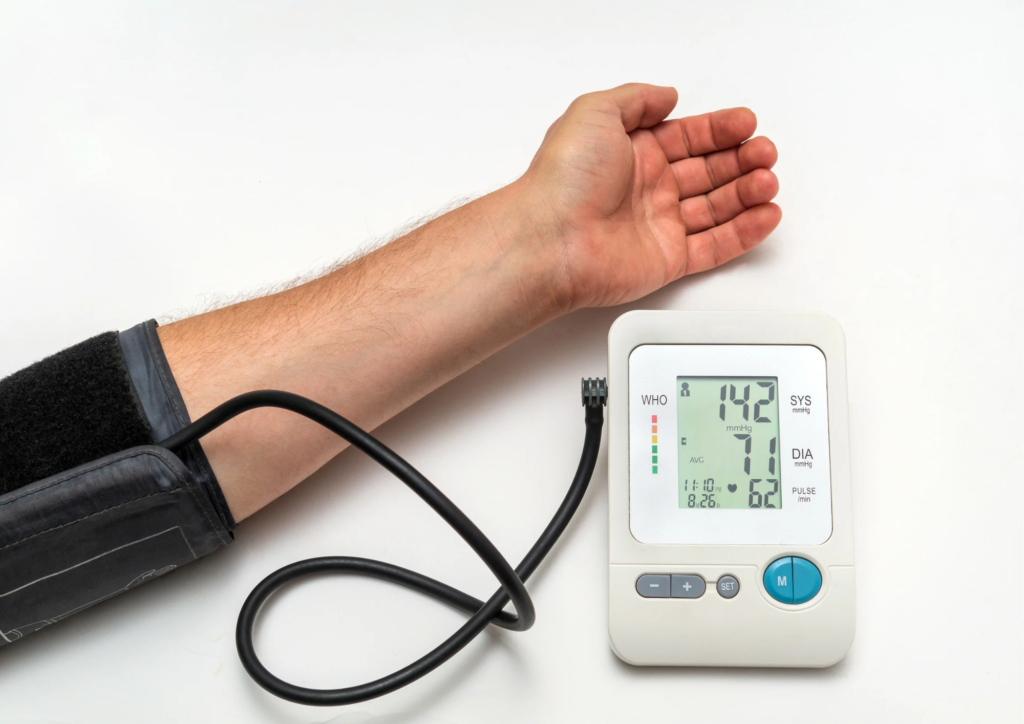
Many people associate hypertension with older age, but adults in their 20s and 30s can also develop elevated blood pressure.
Busy schedules, unhealthy eating habits, limited physical activity, poor sleep and family history can all contribute to this condition.
The concerning part is that high blood pressure often develops without noticeable symptoms.
A young adult may feel completely healthy while their heart and blood vessels are experiencing additional strain.
Understanding the causes of high blood pressure in young adults is an important first step towards protecting long-term health.
Whether you are a university student, a working professional or a young parent, knowing your risk factors can help you make informed decisions about your wellbeing.
In this guide, we explore why hypertension can develop at a younger age, which lifestyle habits increase the risk, how underlying medical conditions may contribute and when you should consider a medical assessment.
What Is High Blood Pressure?
Blood pressure refers to the force of blood pushing against the walls of your arteries as the heart pumps blood throughout your body.
A blood pressure reading contains two numbers:
- Systolic pressure: The upper number, which measures pressure in the arteries when the heart contracts.
- Diastolic pressure: The lower number, which measures pressure when the heart relaxes between beats.
For example, a reading of 120/80 mmHg means the systolic pressure is 120 and the diastolic pressure is 80.
Blood pressure naturally changes throughout the day depending on physical activity, emotional stress, sleep and other factors. However, when readings remain consistently elevated, it may indicate hypertension.
According to the American Heart Association’s 2025 guidelines, adult blood pressure categories include:
| Blood Pressure Category | Systolic (mmHg) | Diastolic (mmHg) |
| Normal | Below 120 | Below 80 |
| Elevated | 120–129 | Below 80 |
| Stage 1 hypertension | 130–139 | 80–89 |
| Stage 2 hypertension | 140 or higher | 90 or higher |
These categories use the higher category if either number falls into it. Diagnostic thresholds can differ between international guidelines, so a healthcare professional should interpret your readings using the appropriate clinical guidance.
Why Is High Blood Pressure Increasing in Young Adults?
High blood pressure is not exclusively an age-related condition. Young adults may develop hypertension due to a combination of inherited characteristics, lifestyle choices and underlying medical conditions.
The European Society of Cardiology defines young adulthood as the age range of 18–40 years in its 2024 hypertension guidelines. These guidelines recognise that hypertension is an important health concern in this population.
Several modern lifestyle patterns may contribute to the growing problem:
- Spending long hours sitting at desks or using electronic devices.
- Eating processed meals and takeaway food frequently.
- Consuming excessive salt through packaged snacks and restaurant meals.
- Getting insufficient sleep because of work or study commitments.
- Experiencing ongoing psychological stress.
- Gaining excess body weight over time.
These factors do not affect everyone in the same way. However, when several risk factors occur together, they can increase the likelihood of developing high blood pressure at a younger age.
8 Common Causes of High Blood Pressure in Young Adults
Understanding the causes of high blood pressure in young adults can help identify habits and medical conditions that may need attention.
1. Unhealthy Eating Habits and Excessive Salt Intake
Diet plays an important role in maintaining healthy blood pressure.
Many convenient foods contain more sodium than people realise. Processed meats, instant noodles, packaged snacks, sauces, ready-made meals and fast food can contribute to excessive daily salt consumption.
Too much sodium can cause the body to retain water, increasing the volume of blood circulating through the blood vessels. This can contribute to higher blood pressure.
Young adults who frequently eat restaurant meals or rely on packaged foods may consume more sodium than recommended.
A balanced eating pattern that includes vegetables, fruits, whole grains, legumes and other minimally processed foods can support cardiovascular health.
2. Physical Inactivity and Sedentary Lifestyle
Modern working and study environments often involve sitting for several hours every day.
Spending too much time sitting and getting insufficient exercise can contribute to weight gain, reduced cardiovascular fitness and metabolic problems.
Regular physical activity helps the heart work more efficiently and supports healthy blood vessel function.
Adults should generally aim for at least 150 minutes of moderate-intensity aerobic activity each week, alongside muscle-strengthening activities on two or more days, in line with World Health Organization recommendations.
Walking, swimming, cycling and other enjoyable activities can help young adults become more active.
3. Being Overweight or Having Obesity
Excess body weight is an important risk factor for hypertension.
When a person carries excess weight, the heart may need to work harder to circulate blood throughout the body. Obesity can also contribute to insulin resistance, inflammation and changes in the systems that regulate blood pressure.
These changes may increase the risk of developing hypertension, even before a person reaches middle age.
Maintaining a healthy weight through balanced nutrition, regular movement and sustainable daily habits can support better cardiovascular health.
4. Chronic Stress and Poor Sleep
Work deadlines, financial responsibilities, academic pressure and family commitments can create ongoing stress for young adults.
During stressful situations, the body releases hormones such as adrenaline that temporarily increase heart rate and blood pressure. Repeated stress responses, particularly when combined with poor sleep and unhealthy coping habits, may contribute to cardiovascular risk.
Sleep is equally important. Consistently getting insufficient sleep and having untreated sleep disorders, such as obstructive sleep apnoea, can affect the body’s normal blood pressure regulation.
If ongoing stress is affecting your daily routine, you may also find our guide on acute vs chronic stress helpful.
5. Family History and Genetic Factors
Sometimes, high blood pressure develops even when a person follows a relatively healthy lifestyle.
Genetics can influence how the body regulates sodium, blood vessel function and other processes involved in blood pressure control.
Having a parent or close family member with hypertension may increase your own risk.
Family history does not mean that you will automatically develop the condition. However, it is useful information to share with your healthcare professional, particularly if hypertension occurs in your family at an early age.
6. Smoking, Nicotine and Excessive Alcohol Consumption
Smoking and nicotine exposure can temporarily increase blood pressure and heart rate by stimulating the nervous system and narrowing blood vessels.
Regular smoking also damages blood vessels and increases the risk of cardiovascular disease.
Excessive alcohol consumption can contribute to persistently elevated blood pressure. It may also affect sleep quality, weight and overall cardiovascular health.
Avoiding tobacco and nicotine products and limiting alcohol exposure are important steps towards protecting heart health.
7. Underlying Medical Conditions
Not all hypertension is caused by lifestyle factors.
Some young adults develop high blood pressure because of an underlying medical condition. This is known as secondary hypertension.
Possible medical causes include:
- Kidney disease: The kidneys help regulate fluid balance and blood pressure. Reduced kidney function can contribute to hypertension.
- Thyroid disorders: Certain thyroid conditions can affect heart rate and blood pressure.
- Primary aldosteronism: This hormonal condition causes excessive production of aldosterone, which can increase sodium retention and blood pressure.
- Obstructive sleep apnoea: Repeated interruptions in breathing during sleep can contribute to hypertension.
- Renal artery conditions: Narrowing of the arteries supplying the kidneys can affect blood pressure regulation.
Certain medications and substances, including some anti-inflammatory medicines, decongestants, stimulant medications and hormonal treatments, may also raise blood pressure in some individuals.
Young adults with persistent hypertension may need further evaluation to identify an underlying cause.
8. High Caffeine Intake and Energy Drinks
Coffee, tea and energy drinks are common parts of many young adults’ daily routines.
Caffeine can temporarily raise blood pressure, particularly in people who do not consume it regularly or are more sensitive to its effects.
Energy drinks may contain substantial amounts of caffeine and other stimulating ingredients. Consuming several servings, especially alongside insufficient sleep, smoking or intense work schedules, may place additional strain on the cardiovascular system.
If you notice unusual blood pressure readings after consuming caffeinated drinks, discuss your intake and readings with a healthcare professional.
What Are the Risk Factors for High Blood Pressure in Young Adults?
Some risk factors are related to everyday habits, while others are associated with genetics or existing health conditions.
The following table summarises common risk factors:
| Risk Factor | How It May Affect Blood Pressure |
| Family history | Genetic factors may increase susceptibility to hypertension. |
| Excessive sodium intake | Encourages fluid retention and can raise blood pressure. |
| Physical inactivity | Contributes to weight gain and poorer cardiovascular fitness. |
| Obesity | Can affect blood vessel function and blood pressure regulation. |
| Chronic stress | Repeated stress responses may contribute to cardiovascular risk. |
| Poor sleep | Can interfere with normal blood pressure regulation. |
| Smoking and nicotine | Stimulate the nervous system and affect blood vessels. |
| Kidney disorders | Can interfere with the body’s fluid and sodium balance. |
| Certain medications | Some medicines can increase blood pressure. |
Having one or more of these risk factors does not automatically mean you have hypertension. Regular blood pressure checks and appropriate medical assessment can help identify potential concerns.

Can High Blood Pressure Occur Without Symptoms?
Yes. In fact, hypertension is often called a silent condition because many people experience no obvious warning signs.
Even young adults with significantly elevated blood pressure may feel normal during their daily activities.
Some people may experience:
- Persistent headaches.
- Dizziness.
- Blurred vision.
- Shortness of breath.
- Chest discomfort.
However, these symptoms are not specific to hypertension and can have several other causes. Many people with high blood pressure do not experience any of them.
This is why relying on how you feel is not a reliable way to determine whether your blood pressure is healthy.
A blood pressure measurement is the most practical way to identify elevated readings.
Important: If you experience chest pain, severe shortness of breath, sudden weakness, difficulty speaking or sudden changes in vision, seek emergency medical care. These symptoms may indicate a serious medical problem.
How Is High Blood Pressure Diagnosed in Young Adults?
A single elevated reading does not necessarily mean you have hypertension.
Blood pressure can temporarily increase because of exercise, caffeine, anxiety, pain or other circumstances. Some people also experience white-coat hypertension, where their readings are higher in a clinical setting than outside it.
Healthcare professionals may use several methods to assess blood pressure accurately.
1. Clinic Blood Pressure Measurement
A healthcare professional measures your blood pressure using an appropriately sized cuff and a validated monitor.
For more reliable results, you should ideally:
- Avoid caffeine, smoking and exercise for at least 30 minutes beforehand.
- Empty your bladder before the measurement.
- Sit quietly for five minutes.
- Keep your back supported and feet flat on the floor.
- Rest your arm at heart level.
- Avoid talking during the measurement.
Repeated readings may be needed to understand your usual blood pressure.
2. Home Blood Pressure Monitoring
Your doctor may recommend monitoring your blood pressure at home using a validated automatic upper-arm monitor.
Keeping a record of readings over several days can provide useful information about your blood pressure outside the clinic.
3. Ambulatory Blood Pressure Monitoring
Ambulatory blood pressure monitoring (ABPM) uses a portable device that measures blood pressure at regular intervals over approximately 24 hours.
It helps healthcare professionals understand how blood pressure changes during daily activities and sleep.
The 2025 American Heart Association and American College of Cardiology guidelines recommend out-of-office measurements to help confirm a suspected diagnosis of hypertension.
Depending on your medical history and examination, your doctor may also recommend blood tests, kidney function tests, urine tests, thyroid function testing or an electrocardiogram (ECG).
How Can Young Adults Reduce Their Risk of High Blood Pressure?
Although some risk factors cannot be changed, many everyday habits can support healthy blood pressure.
Consider these practical steps:
Choose balanced meals: Include vegetables, fruits, whole grains, lean proteins and other minimally processed foods. Reduce excessive sodium intake.
Stay physically active: Aim for regular aerobic exercise and avoid sitting continuously for long periods.
Maintain a healthy weight: Focus on sustainable eating and activity habits rather than extreme diets.
Prioritise sleep: Maintain a consistent sleep schedule and seek medical advice if you regularly snore heavily or experience breathing interruptions during sleep.
Avoid smoking and nicotine: These substances can negatively affect blood vessels and cardiovascular health.
Manage ongoing stress: Relaxation techniques, physical activity, healthy boundaries and adequate rest can support overall wellbeing.
Monitor your blood pressure: Periodic checks can help identify elevated readings before they go unnoticed for years.
These measures support cardiovascular health but do not replace medical assessment or prescribed treatment when hypertension is present.
When Should Young Adults See a Doctor About High Blood Pressure?
Young adults should not ignore repeated elevated blood pressure readings simply because they feel healthy or believe hypertension only affects older people.
Consider arranging a medical assessment if:
- Your blood pressure readings are repeatedly elevated.
- You have a family history of hypertension at a young age.
- You have kidney disease, diabetes or another condition associated with increased cardiovascular risk.
- You are taking medication that may affect blood pressure.
- You experience symptoms such as persistent headaches or unexplained dizziness alongside elevated readings.
If your reading is higher than 180/120 mmHg, wait at least one minute and measure it again. If it remains that high, contact a healthcare professional immediately. If it is accompanied by chest pain, shortness of breath, weakness, numbness, vision changes or difficulty speaking, seek emergency medical care rather than waiting for an appointment.
Supporting Your Long-Term Health with Snö Wellness
Understanding your blood pressure is an important part of preventive healthcare. Identifying potential risk factors early can help you make informed decisions about your long-term wellbeing.
At Snö Wellness Family Medicine Clinic in Abu Dhabi, patients can access primary and preventive healthcare, health check-ups and chronic disease management.
Our family medicine service includes care for adults with conditions such as hypertension, diabetes and thyroid disorders. A healthcare professional can review your medical history, discuss your concerns and advise whether further assessment or specialist care is appropriate.
If you have concerns about your blood pressure or cardiovascular risk factors, contact Snö Wellness to enquire about arranging a consultation.
Taking an informed approach to your health today can help you make better decisions for the years ahead.
Frequently Asked Questions
1. Can a 25-year-old have high blood pressure?
Yes. High blood pressure can develop at any adult age, including the early 20s. Family history, obesity, excessive sodium intake, physical inactivity, kidney disorders and certain medications can contribute to hypertension in younger adults.
2. What is considered high blood pressure for a young adult?
Under the 2025 American Heart Association guidelines, blood pressure readings of 130–139 mmHg systolic or 80–89 mmHg diastolic fall into Stage 1 hypertension. However, diagnostic thresholds vary across international guidelines, and a healthcare professional should assess repeated readings before confirming a diagnosis.
3. What are the main causes of high blood pressure in young adults?
Common contributing factors include excessive salt intake, obesity, lack of physical activity, poor sleep, chronic stress, smoking and family history. Kidney disease, hormonal disorders and certain medications can also contribute.
4. Can stress cause high blood pressure in young adults?
Stress can temporarily increase blood pressure by activating the body’s fight-or-flight response. Ongoing stress may also contribute indirectly through poor sleep, unhealthy eating, inactivity and other behaviours. Persistent high blood pressure should be assessed rather than automatically attributed to stress.
5. Does high blood pressure have symptoms in young adults?
Most people with hypertension do not experience noticeable symptoms. Some may report headaches, dizziness or blurred vision, but these symptoms are not reliable indicators of high blood pressure. Measuring blood pressure is essential for identifying elevated readings.
6. Can high blood pressure in young adults be reversed?
Blood pressure can improve with appropriate lifestyle changes and medical treatment when needed. The outcome depends on the underlying cause, individual health and severity of hypertension. Some people require long-term medication and regular monitoring.
7. How often should young adults check their blood pressure?
The appropriate frequency depends on age, health history, previous readings and individual risk factors. Adults with elevated readings or other risk factors may need more frequent monitoring. A healthcare professional can recommend a suitable schedule.
8. Which doctor should I consult for high blood pressure in Abu Dhabi?
A family medicine doctor or primary care physician is a suitable starting point. They can assess your readings, review possible causes and recommend further investigations or referral to a specialist when necessary.