Whether you’re commuting to work, taking children outdoors, exercising or spending time outside, your body loses more water through sweating.
If you don’t replace these fluids, you may become dehydrated without immediately noticing it.
Learning how to prevent dehydration during Abu Dhabi’s summer months is an important part of protecting your health.
Dehydration can affect people of all ages, including children, older adults and otherwise healthy individuals.
It can also increase the risk of heat-related illnesses, particularly when you spend extended periods outdoors.
The good news is that a few simple daily habits can help you maintain healthy hydration levels.
From drinking water regularly to choosing water-rich foods and recognising early warning signs, this guide explains practical ways to stay hydrated throughout the UAE summer.
Why Is Dehydration More Common During Abu Dhabi’s Summer?
Your body needs water to regulate temperature, support digestion, transport nutrients and maintain normal blood circulation. During hot weather, sweating helps your body release excess heat. However, this process also causes fluid loss.
Abu Dhabi’s combination of high temperatures, strong sunshine and humid conditions can make outdoor activities more physically demanding. When you sweat more than usual and fail to replace the lost fluids, your body may struggle to maintain its normal fluid balance.
Several everyday situations can increase your risk:
- Outdoor activities: Walking, exercising, gardening and playing sports in hot weather increase sweating.
- Long working hours: People working outdoors may lose considerable amounts of fluid throughout the day.
- Air-conditioned environments: Spending most of the day indoors can make you less aware of how much fluid you need.
- Busy schedules: Work, school runs and daily responsibilities can make it easy to forget to drink water.
- Illness: Fever, vomiting and diarrhoea can increase fluid loss.
- Insufficient water intake: Waiting until you feel very thirsty before drinking may mean you have already started losing more fluid than you are replacing.
Understanding these risk factors is the first step towards learning how to prevent dehydration during Abu Dhabi’s summer months.
10 Practical Ways to Prevent Dehydration During Summer
Staying hydrated doesn’t require complicated routines or expensive products. Consistent daily habits can make a meaningful difference.
1. Drink Water Regularly Throughout the Day
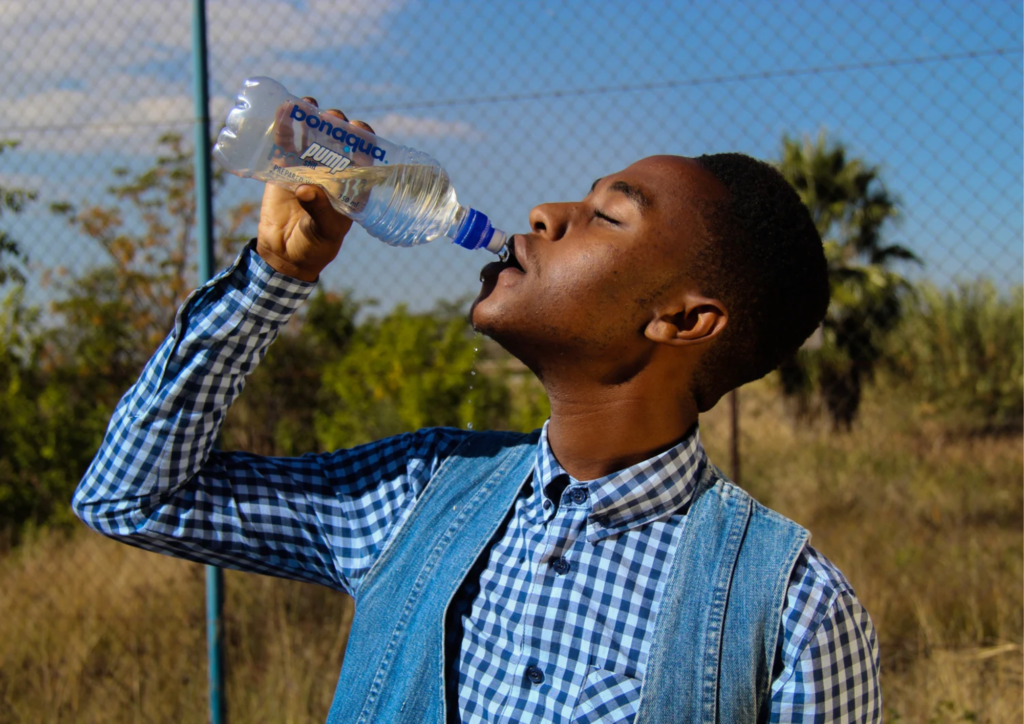
One of the simplest ways to prevent dehydration is to drink water regularly rather than waiting until you feel thirsty.
Make water part of your daily routine. Drink a glass after waking up, have water with meals and keep a bottle nearby while working or travelling.
Your fluid requirements depend on several factors, including your age, body size, physical activity, health conditions and the amount of time you spend in the heat. There is no single daily water target that is suitable for everyone.
If you spend time outdoors in Abu Dhabi, you may need more fluids than you normally consume in a cooler environment.
Practical tip: Keep a reusable water bottle in your handbag, office desk or car. Refill it regularly and make drinking water part of your normal schedule.
2. Do Not Wait Until You Feel Thirsty
Thirst is an important signal that your body needs fluids, but it should not be your only reminder to drink water.
During busy summer days, people often become distracted by work, travel or outdoor activities. As a result, they may go several hours without drinking enough.
Try these simple habits:
- Drink water before leaving home.
- Take regular water breaks during work.
- Drink water with breakfast, lunch and dinner.
- Carry water when travelling around Abu Dhabi.
- Drink additional fluids when you sweat more than usual.
These habits can help you maintain a more consistent fluid intake throughout the day.
3. Eat Fruits and Vegetables With High Water Content
Drinking water isn’t the only way to support hydration. Many fruits and vegetables contain significant amounts of water and can contribute to your overall fluid intake.
Consider including these foods in your summer meals:
| Food | How it supports hydration |
| Watermelon | Contains a high proportion of water |
| Cucumber | Provides water and some dietary fibre |
| Oranges | Supply water and vitamin C |
| Strawberries | Contain water and antioxidants |
| Tomatoes | Add water to salads and meals |
| Lettuce | Provides water and dietary fibre |
| Cantaloupe | A refreshing, water-rich fruit |
For example, you could enjoy watermelon as a morning snack, add cucumber to lunch or include fresh fruit with dinner.
These foods complement regular water consumption; they should not replace drinking water, particularly when you are sweating heavily.
4. Limit Sugary and Excessively Caffeinated Drinks
Cold drinks may feel refreshing during hot weather, but not every beverage is an ideal hydration choice.
Soft drinks, energy drinks and heavily sweetened juices can add substantial amounts of sugar to your diet. They are not necessary for everyday hydration.
Water should generally be your first choice.
You can also enjoy:
- Plain or sparkling water without added sugar.
- Water infused with lemon, cucumber or mint.
- Unsweetened milk, where suitable for your diet.
- Other appropriate non-alcoholic drinks.
Be mindful of excessive caffeine intake, particularly from energy drinks and large amounts of coffee. Alcohol should also be avoided as it can contribute to fluid loss and impair your ability to recognise heat-related symptoms.
5. Plan Outdoor Activities During Cooler Hours
Spending long periods outdoors during the hottest part of the day increases your exposure to heat.
Whenever possible, schedule walking, jogging, cycling and other outdoor activities for early morning or later in the evening.
If you must go outside:
- Take regular breaks in shaded or air-conditioned areas.
- Wear lightweight, loose-fitting clothing.
- Carry enough drinking water.
- Avoid unnecessary physical exertion during peak heat.
- Pay attention to weather conditions and heat warnings.
Abu Dhabi’s Safety in Heat programme also highlights the importance of hydration and heat protection, particularly for outdoor workers.
Planning your activities around the weather is an important part of learning how to prevent dehydration during Abu Dhabi’s summer months.
6. Be Extra Careful When Exercising in Hot Weather
Exercise increases your body’s demand for fluids. When you combine physical activity with high outdoor temperatures, sweating can increase considerably.
If you enjoy running, cycling, walking or playing sports, take a few precautions.
Before exercising: Drink water and avoid starting an activity when you are already dehydrated.
During exercise: Take regular water breaks. Reduce your pace if the weather is particularly hot or humid.
After exercise: Replace the fluids lost through sweating. If you have been exercising intensely for an extended period, an appropriate electrolyte-containing drink may sometimes be useful.
For most everyday activities, plain water is sufficient. Sports drinks are not automatically necessary for every workout.
If you feel weak, dizzy or faint, stop exercising, move to a cool place and seek medical advice when needed.
7. Make Sure Children Drink Enough Water
Children may become dehydrated more easily than adults, especially when they are playing outside in hot weather.
They may become so involved in games and activities that they forget to drink water. Parents and caregivers should therefore offer fluids regularly instead of relying entirely on children to ask for them.
Helpful habits include:
- Offer water before children go outside.
- Send a refillable water bottle to school.
- Encourage regular drinking breaks during play.
- Include water-rich fruits in their meals.
- Avoid leaving children in parked vehicles, even for a short period.
- Reduce outdoor play during extreme heat.
Watch for possible signs of dehydration, such as a dry mouth, reduced urination, unusual tiredness or fewer wet nappies in babies.
If your child has persistent vomiting, diarrhoea or difficulty drinking fluids, contact a healthcare professional for advice.
Parents looking for further guidance can explore our paediatric care services at Snö Wellness.
8. Pay Attention to Older Adults and People With Medical Conditions
Older adults may have a reduced sense of thirst, making it harder for them to recognise when they need fluids.
Certain health conditions and medications can also affect the body’s fluid balance.
People who may need additional attention include:
- Older adults.
- People with diabetes.
- Individuals taking diuretics or other medications that affect fluid balance.
- People with kidney or heart conditions.
- Pregnant and breastfeeding women.
- Individuals recovering from fever, vomiting or diarrhoea.
However, drinking excessive amounts of water is not appropriate for everyone. People with kidney disease, heart failure or prescribed fluid restrictions should follow their healthcare professional’s advice instead of increasing their fluid intake independently.
9. Recognise the Early Signs of Dehydration
Knowing the early signs of dehydration can help you respond before symptoms become more serious.
Common symptoms may include:
- Feeling unusually thirsty.
- Dry mouth and lips.
- Dark yellow urine.
- Urinating less frequently than usual.
- Headaches.
- Tiredness or weakness.
- Dizziness or light-headedness.
A simple way to monitor your hydration is to pay attention to your urine colour. Pale yellow urine often indicates adequate hydration, although vitamins, medications and certain health conditions can affect urine colour.
If you notice several symptoms, move away from the heat, rest in a cool environment and drink fluids if you are alert and able to swallow safely.
Seek medical advice if symptoms persist, worsen or are accompanied by ongoing vomiting or diarrhoea.
10. Keep a Hydration Routine at Home, Work and While Travelling
Consistency is more helpful than trying to drink large amounts of water all at once.
Create a simple hydration routine that fits your lifestyle.
| Daily activity | Hydration habit |
| After waking up | Drink a glass of water |
| During breakfast | Have water with your meal |
| Before leaving home | Fill your reusable water bottle |
| At work | Take regular water breaks |
| During outdoor activities | Carry water and rest in cool areas |
| With lunch and dinner | Include water with meals |
| Before bedtime | Drink according to your needs without forcing excessive intake |
If you regularly forget to drink water, set reminders on your phone or use a marked water bottle to monitor your intake.
Small, consistent habits can help make hydration a natural part of your daily routine.
What Are the Warning Signs of Severe Dehydration and Heat-Related Illness?
Dehydration and heat-related illnesses are connected, but they are not the same condition.
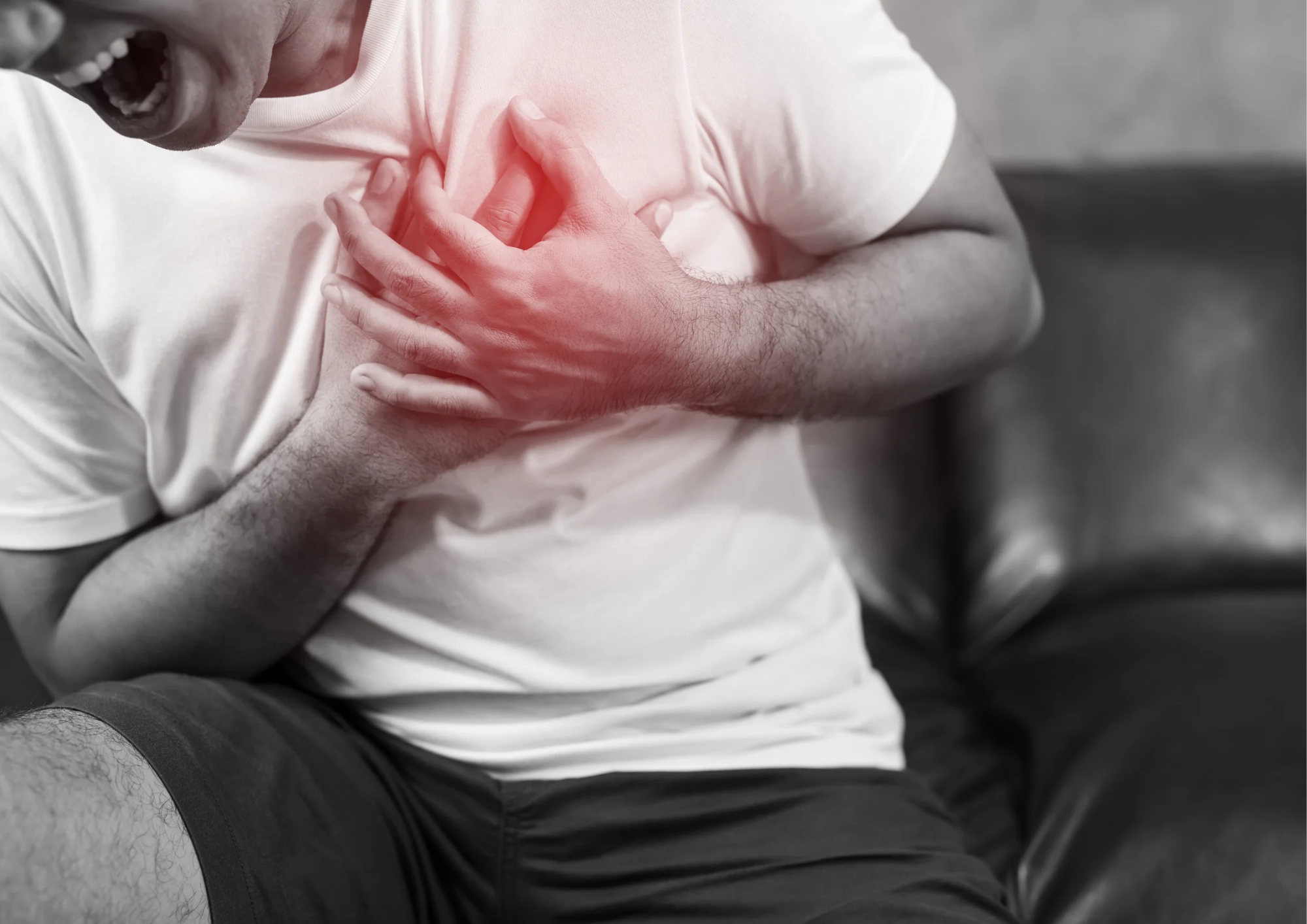
Heat exhaustion can develop when the body struggles to cool itself, particularly during prolonged exposure to high temperatures. Severe heat illness can progress to heatstroke, which is a medical emergency.
Watch for these warning signs:
Possible signs of heat exhaustion:
- Heavy sweating.
- Headache.
- Nausea or vomiting.
- Dizziness.
- Muscle cramps.
- Unusual weakness.
- Feeling faint.
Emergency warning signs of heatstroke:
- Confusion or unusual behaviour.
- Seizures.
- Loss of consciousness.
- Very high body temperature.
- Severe neurological symptoms.
If heatstroke is suspected, call UAE emergency ambulance services on 998 immediately. Move the person to a cooler area and begin cooling them while waiting for emergency assistance. Do not give fluids to someone who is confused, unconscious or unable to swallow safely.
Do not wait for every symptom to appear before seeking emergency help.
Do Electrolytes Help Prevent Dehydration?
Electrolytes are minerals that help regulate important functions in the body, including fluid balance, muscle activity and nerve function.
The main electrolytes include:
- Sodium.
- Potassium.
- Chloride.
- Magnesium.
When you sweat, your body loses both water and small amounts of electrolytes. The amount lost depends on your activity level, sweating rate and environmental conditions.
For most people, drinking water regularly and eating a balanced diet is sufficient to replace everyday fluid and mineral losses.
However, electrolyte replacement may be useful in certain circumstances, such as prolonged intense exercise or significant fluid loss through vomiting and diarrhoea.
Oral rehydration solutions (ORS) contain specific proportions of glucose and electrolytes and are used in situations where rehydration is medically appropriate.
They are different from ordinary sports drinks and should be used according to medical guidance or product instructions. People with kidney or heart conditions should seek professional advice before using electrolyte supplements.
How Much Water Should You Drink During Abu Dhabi’s Summer?
There is no universal amount of water that every person should drink during summer.
Your daily fluid needs depend on:
- Age and body weight.
- Physical activity.
- Outdoor temperature and humidity.
- How much you sweat.
- Pregnancy or breastfeeding.
- Existing medical conditions.
- Certain medications.
People who spend several hours outdoors may need more fluids than those working in air-conditioned environments.
Rather than following an arbitrary target, pay attention to your body’s needs, activity level and urine colour. Increase fluid intake appropriately when sweating more, unless you have been advised to restrict fluids.
If you are unsure how much water is suitable for you, a healthcare professional can help assess your individual requirements.
Stay Hydrated and Protect Your Health This Summer
Abu Dhabi’s summer conditions make hydration an important part of everyday health. Drinking water regularly, choosing water-rich foods, planning outdoor activities carefully and recognising early warning signs can help reduce the risk of dehydration and heat-related illness.
Remember that hydration needs are different for everyone. Children, older adults and people with certain medical conditions may require additional attention or personalised guidance.
If you have concerns about recurring dehydration symptoms, fluid requirements or how an existing health condition affects your hydration, speaking with a qualified healthcare professional is a sensible next step.
At Snö Wellness, our healthcare team provides support for individuals and families through a range of medical services. Explore our healthcare services in Abu Dhabi to learn more about the care available.
Make hydration a daily habit, not just a summer reminder.
Frequently Asked Questions About Dehydration During Summer
1. How can I prevent dehydration during Abu Dhabi’s summer?
Drink water regularly throughout the day, carry a reusable water bottle, eat water-rich fruits and vegetables and reduce unnecessary outdoor activity during peak heat. Take regular breaks in shaded or air-conditioned areas, especially when exercising or working outdoors.
2. What are the first signs of dehydration?
Early signs may include thirst, dry mouth, darker urine, reduced urination, tiredness and headaches. More serious symptoms can include dizziness, confusion and fainting. Symptoms should always be assessed in context rather than used alone to diagnose dehydration.
3. Is drinking 2 litres of water a day enough in Abu Dhabi?
Two litres may be sufficient for some individuals but not for everyone. Your needs may increase with physical activity, sweating and outdoor exposure. People with medical conditions or prescribed fluid restrictions should follow individual medical advice.
4. Which fruits are best for hydration during summer?
Watermelon, cucumber, oranges, strawberries, tomatoes and cantaloupe are useful water-rich food choices. Including them in a balanced diet can support hydration alongside regular water consumption.
5. Can air conditioning cause dehydration?
Air conditioning does not directly cause dehydration in the same way as sweating or illness. However, spending long hours in climate-controlled environments can make you less aware of your thirst. Maintaining a regular drinking routine remains important.
6. Should I drink electrolytes every day during summer?
Most healthy people do not need electrolyte supplements every day. Water and a balanced diet are generally sufficient for everyday hydration. Electrolyte-containing drinks or oral rehydration solutions may be appropriate in particular circumstances, depending on fluid losses and individual health needs.
7. Are children more vulnerable to dehydration in hot weather?
Yes. Children may lose fluids quickly and may not always recognise or communicate thirst. Parents should offer water regularly, monitor outdoor activity and watch for signs such as dry mouth, reduced urination and unusual tiredness.
8. When should I see a doctor for dehydration?
Seek medical advice if symptoms do not improve, become worse or occur alongside persistent vomiting, diarrhoea or reduced urination. Confusion, seizures or loss of consciousness require emergency medical assistance.